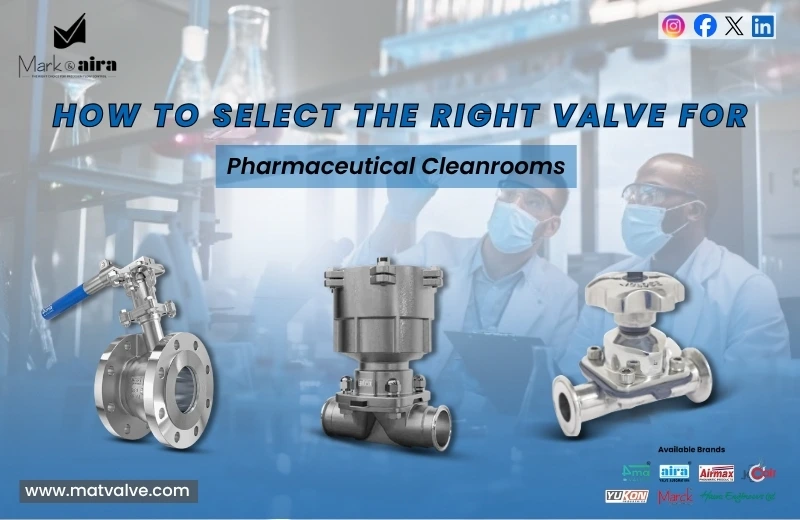
#TLDR: Pharmaceutical valves must be hygienic, CIP/SIP-compatible, and manufactured from FDA-compliant materials. The wrong valve contaminates product, fails regulatory audits, and shuts down production lines. This guide covers every selection criterion your engineering team needs.
Why Pharma Valves Are Different
In most industries, a valve that seals and controls flow is good enough. In pharmaceutical manufacturing, that is a starting point, not a finish line.
Every valve in a pharma plant is a potential contamination point. Product purity, sterility, and regulatory compliance depend on valves that can be cleaned thoroughly, validated precisely, and audited completely. A valve that traps residue in a crevice or leaches extractables into a product batch can trigger a batch rejection, an FDA warning letter, or a plant shutdown.
The key challenges:
- Aggressive cleaning agents (NaOH, acids, hydrogen peroxide) used in CIP/SIP
- Requirement for zero dead legs where bacteria can accumulate
- Complete material traceability for audit purposes
- Surface finishes that prevent microbial adhesion
Material Requirements
316L Stainless Steel is the baseline material for wetted parts in pharmaceutical valves. The “L” grade (low carbon, ≤0.03% C) prevents chromium carbide precipitation during welding, maintaining corrosion resistance in the heat-affected zone.
For aggressive media or WFI (Water for Injection) systems, specify:
- 316L with electropolished internal surfaces — reduces surface roughness and particulate adhesion
- PTFE seats and seals — inert to most pharmaceutical media, FDA-compliant, handles CIP temperatures
- EPDM seals — preferred for steam sterilisation (SIP) due to high-temperature performance
Avoid: carbon steel, cast iron, or standard 304 stainless in wetted areas. These corrode under aggressive CIP agents and contaminate product.
All material certifications (EN 10204 3.1 or 3.2 mill certificates) must be traceable and available for regulatory audit.
Read the full article – Industrial Valve Selection: How to Match Pressure, Temperature & Media to know how material selection impacts durability.
Surface Finish Standards
Surface finish directly controls whether microorganisms can colonise internal valve surfaces.
Finish | Ra Value | Application |
Standard mechanical polish | Ra ≤ 0.8 µm | Non-sterile API handling |
Electropolish | Ra ≤ 0.4 µm | Sterile manufacturing, WFI |
Bead blast + electropolish | Ra ≤ 0.25 µm | Biotech, injectable manufacturing |
Electropolishing removes the outermost metal layer, reducing surface peaks that trap contamination. It also enhances the passive oxide layer, improving corrosion resistance in chloride-containing cleaning agents.
Specify surface finish for all wetted parts: valve body, disc/plug, seats, and stem.
CIP and SIP Compatibility
Clean-in-Place (CIP) and Sterilise-in-Place (SIP) are standard in pharmaceutical production. Valves must survive both.
CIP requirements:
- Withstand caustic soda (1–4% NaOH, 80°C), acid (1–2% HNO3), and peracetic acid solutions
- No crevices or pockets where cleaning solution cannot reach
- Full drainability — valve must drain completely in the closed and open position
SIP requirements:
- Saturated steam at 121–134°C, 1–3 bar
- Seal materials must not degrade under repeated steam cycles
- EPDM seals are preferred over silicone for SIP-rated applications
Valve position during CIP/SIP matters. Diaphragm valves are often SIP-rated in both open and closed positions. Ball valves need specific CIP-open configurations to ensure cleaning reaches all internal surfaces. Confirm this with the valve supplier before specifying.
Field Report: Reducing Batch Rejection in a UAE Biotech Plant
The Challenge:
A leading pharmaceutical manufacturer based in Dubai was experiencing recurring microbial contamination in their sterile Water for Injection (WFI) loop. Despite standard cleaning protocols, the facility faced a 15% batch rejection rate, leading to significant financial losses and production delays.
The Diagnosis:
Engineers from Mark & Aira Valves performed a site audit and identified two critical issues:
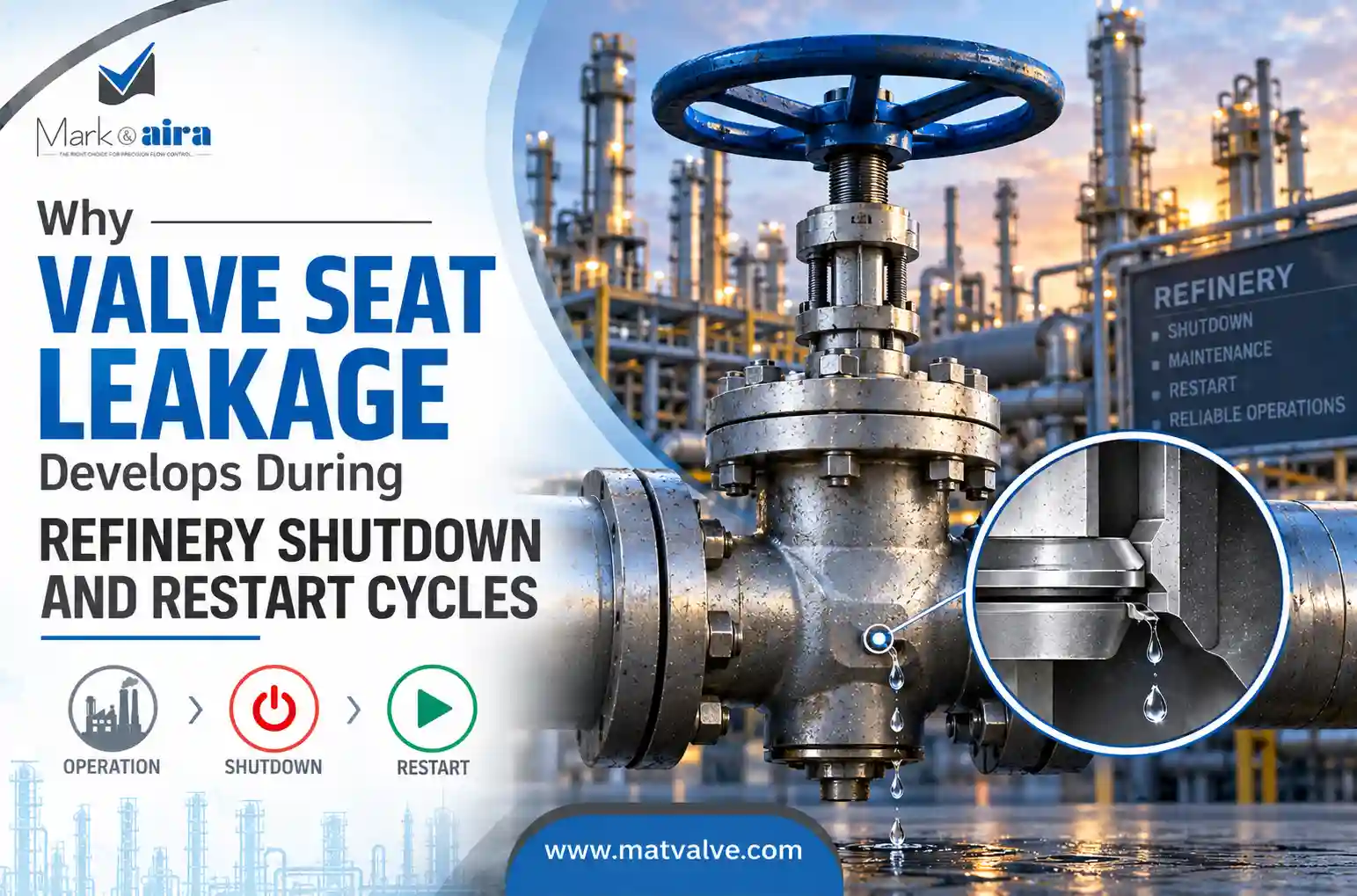
Dead-Leg Violations: Several legacy ball valves were installed in configurations that exceeded the 6D rule, creating pockets where bacteria survived the CIP process.
Incompatible Seals: The existing silicone seals were degrading under the 134°C SIP steam cycles, creating microscopic crevices that trapped organic matter.
The Solution:
We overhauled the loop with the following upgrades:
Zero Dead-Leg Manifolds: Replaced standard junctions with Mark & Aira Cylinder Operated Pharma Diaphragm Valves featuring customized T-pattern bodies to eliminate stagnation points.
Material Upgrade: Switched all wetted components to Electropolished 316L Stainless Steel (Ra ≤ 0.4 µm) to prevent microbial adhesion.
High-Temp EPDM Seals: Installed steam-grade EPDM seals specifically rated for continuous SIP exposure.
The Result:
Following the installation and a re-validation of the system, the plant reported zero microbial excursions over the next six months. The batch rejection rate dropped from 15% to 0%, and the facility successfully passed its subsequent GMP audit with no observations related to the WFI system.
Valve Types for Pharmaceutical Applications
Diaphragm Valves
The most widely used valve type in pharmaceutical plants. A flexible diaphragm seals against a weir body, with no stem packing entering the flow path — eliminating a major contamination route. They are fully CIP/SIP-compatible and offer excellent drainability.
Best for: API manufacture, biotech fermentation, WFI distribution, buffer/media preparation.
Mark & Aira stocks Cylinder Operated Pharma Diaphragm Valves specifically engineered for cleanroom environments with full traceability documentation.
Butterfly Valves
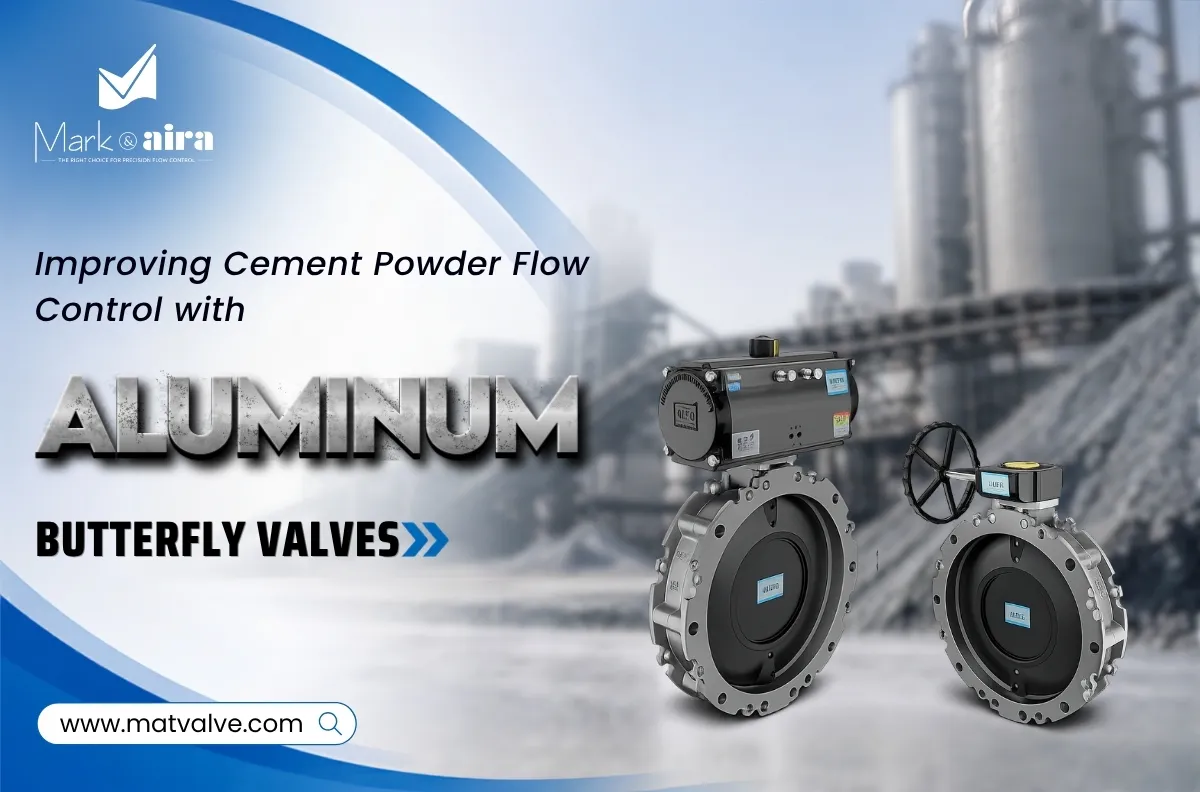
Used for larger bore lines where full product contact with a compact valve is needed. Hygienic butterfly valves feature concentric disc designs, EPDM or PTFE-lined bodies, and Triclover (TC) end connections for easy disassembly and inspection.
Best for: CIP skid connections, bulk transfer lines, tank inlet/outlet in large-batch production.
Ball Valves
Full-bore ball valves with Triclover ends and PTFE seats provide low pressure drop and tight shutoff for non-critical isolation duties. Not ideal for frequent CIP cycling as the seat cavity can trap residue — unless specified as CIP-open rated.
Best for: utility isolation, final product transfer lines, sampling points.
Safety/Relief Valves
IBR-approved safety valves on steam systems in pharma plants must be hygienic-grade when installed on product contact lines. Specify PTFE-lined trim and electropolished internals for any safety valve on a sterile steam or WFI system.
Certifications to Look For
Standard | What It Means |
FDA 21 CFR | US FDA material compliance for food/drug contact |
EHEDG | European Hygienic Engineering & Design Group — cleanability standard |
3-A Sanitary Standards | North American dairy and pharma cleanability certification |
USP Class VI | Seal and elastomer biocompatibility standard |
ISO 9001:2015 | Quality management system — required for all pharma suppliers |
IBR Approval | Required for steam systems in UAE/GCC |
When sourcing valves for a UAE pharmaceutical plant, confirm the supplier holds ISO 9001:2015 and can provide full material traceability documentation. These are mandatory for regulatory audits under MOHAP (UAE Ministry of Health) and GMP frameworks.
Check Certifications for Valves for a deeper dive into global standards.
Dead-Leg Design: The Hidden Contamination Risk
A dead leg is a section of pipework or valve internals where fluid stagnates and cannot be cleaned effectively. Bacteria colonise dead legs rapidly, and the risk is highest in WFI and sterile water-for-injection systems.
The industry rule: dead-leg length should not exceed 6× the pipe diameter (6D rule). Some GMP guidelines specify 3D or less for sterile applications.
Valve selection impacts dead-leg length directly. T-body diaphragm valves installed with zero dead-leg manifolds eliminate the problem entirely. Long-bodied ball valves with standard end-to-end lengths can create dead legs at branch connections if not specified correctly.
Always review the piping isometric alongside valve selection for pharmaceutical systems.
Cleanroom Class vs Valve Requirement
ISO Cleanroom Class | Typical Application | Valve Requirement |
ISO 5 (Class 100) | Aseptic filling, sterile manufacturing | Electropolished 316L, EHEDG-certified, SIP-rated |
ISO 6–7 (Class 1000–10000) | API synthesis, fermentation | 316L, CIP-rated, Ra ≤ 0.8 µm |
ISO 8 (Class 100000) | Packaging, non-sterile oral solids | 304/316 SS, standard hygienic design |
Mark & Aira Valves supplies a complete range of pharmaceutical-grade valves — from IBR-approved safety valves to Triclover diaphragm valves — with full documentation packages for GMP audit readiness. Operating from Dubai with UAE-based stock, we support fast delivery for pharma projects across the UAE and GCC.
FAQ Section
Which valve is most commonly used in the pharmaceutical industry?
The pharma diaphragm valve is the gold standard for pharmaceutical applications. Its design ensures the stem and moving parts are isolated from the media, preventing contamination and making it ideal for sterile processes and CIP/SIP cycles. Mark & Aira Valves provides high-grade diaphragm options specifically for these environments.
What does "316L" mean in pharmaceutical valve selection?
316L is a low-carbon version of 316 stainless steel. The “L” stands for “Low Carbon” (less than 0.03%), which is critical in pharmaceutical manufacturing because it prevents “sensitization” during welding, ensuring the valve remains corrosion-resistant even after being integrated into the piping system.
How do you prevent "dead legs" in valve installation?
A dead leg occurs where fluid stagnates. To prevent this, engineers follow the 3D or 6D rule (length of the leg should not exceed 3 to 6 times the pipe diameter). Selecting specialized T-body diaphragm valves from Mark & Aira Valves can help eliminate these pockets entirely in WFI systems.
What is the difference between CIP and SIP?
CIP (Clean-in-Place) uses chemicals and high-velocity water to clean internal surfaces without disassembly. SIP (Sterilize-in-Place) uses high-temperature saturated steam (usually 121°C+) to kill microorganisms. Pharmaceutical valves must be rated for both the chemical resistance of CIP and the thermal expansion of SIP.