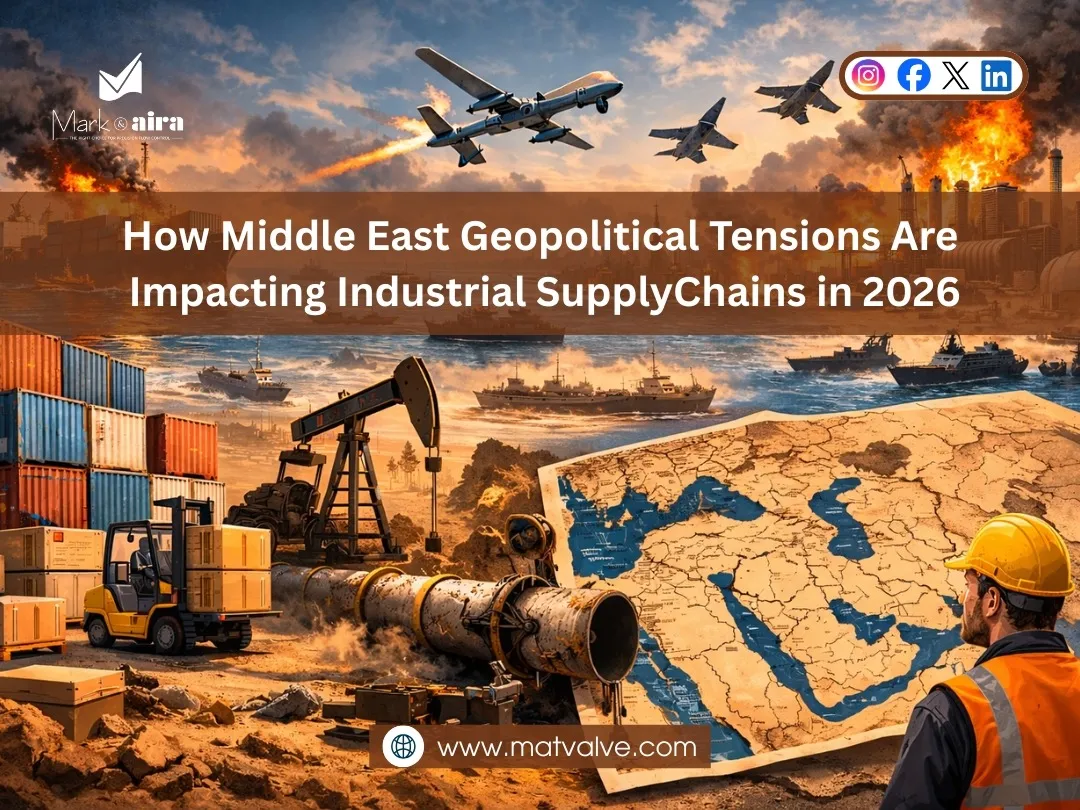
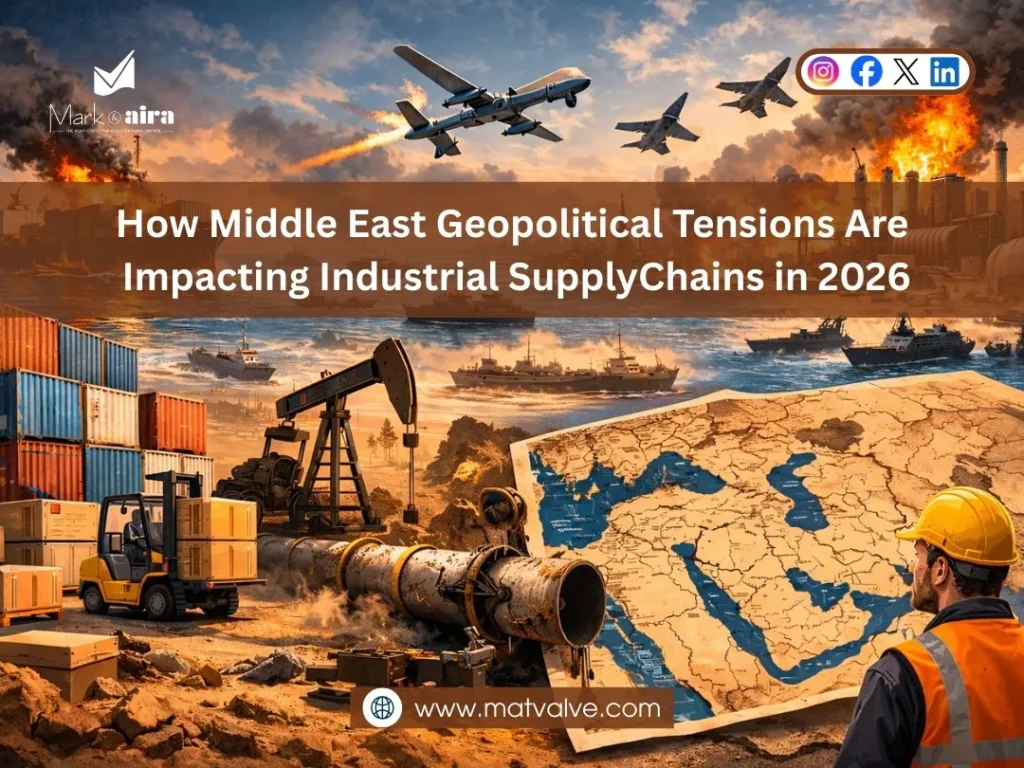
The Middle East remains one of the world’s most critical regions for energy production, industrial infrastructure, and global trade. However, ongoing geopolitical tensions in parts of the region are creating new challenges for supply chains that support large industrial projects.
For procurement managers, engineers, and project planners working across the UAE and the wider Gulf region, ensuring stable access to essential industrial components is becoming increasingly important.
Industries such as oil & gas, petrochemicals, power generation, water treatment, and marine engineering depend heavily on uninterrupted supply networks. Even small disruptions in sourcing critical components—such as industrial valves, automation systems, and pipeline equipment—can impact project timelines, maintenance schedules, and operational safety.
Companies across the region are therefore strengthening their procurement strategies to maintain supply chain resilience in uncertain times.
Why Supply Chain Stability Matters More Than Ever
During periods of geopolitical uncertainty, industrial procurement teams typically prioritize three key factors:
✔ Product availability
✔ Delivery reliability
✔ Technical support accessibility
Projects across energy and infrastructure sectors operate under strict timelines and safety regulations. When sourcing delays occur, they can slow construction phases, maintenance shutdowns, or plant commissioning schedules.
To reduce these risks, many organizations are working with trusted suppliers who maintain regional inventory and provide technical consultation to support engineering teams.
Reliable supplier partnerships help procurement teams respond quickly to urgent operational requirements.
The Growing Importance of Regional Industrial Suppliers
Recent global disruptions—from logistics bottlenecks to shipping delays—have already demonstrated the importance of localized supply networks.
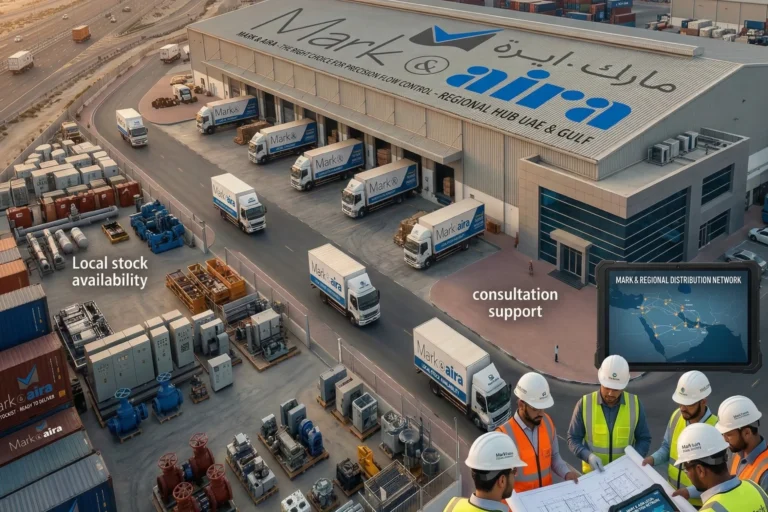
Across the UAE and Gulf region, procurement professionals increasingly prefer suppliers who offer:
- Local stock availability
- Faster delivery timelines
- Technical consultation support
- Strong regional distribution networks
By sourcing from suppliers with an established presence in the region, companies can reduce dependence on long overseas lead times and ensure that critical equipment remains accessible during periods of global or regional disruption.
Strategic Procurement Planning for Industrial Projects
Forward-looking organizations are adopting proactive procurement strategies to protect operations against uncertainty.
These strategies often include:
- Diversified sourcing
Working with multiple suppliers to avoid dependency on a single supply route. - Inventory planning
Maintaining strategic stock levels for mission-critical components. - Supplier reliability assessment
Evaluating supplier capabilities, logistics networks, and technical support capacity.
By implementing these approaches, procurement teams strengthen their ability to maintain operational continuity even when external conditions change.

The UAE’s Role as a Regional Industrial Hub
The United Arab Emirates continues to play a vital role as a regional hub for engineering, energy, and infrastructure projects. With world-class logistics infrastructure, advanced ports, and a business-friendly environment, the UAE supports stable industrial procurement for companies operating throughout the Middle East.
Companies like Mark & Aira Trading contribute to this ecosystem by supporting project teams with reliable supply networks and industry expertise.
Such partnerships help ensure that critical industrial projects across sectors—including oil & gas, water treatment, marine, and power generation—continue to operate smoothly.
Building Long-Term Supply Chain Resilience
While geopolitical developments can introduce uncertainty, they also reinforce the importance of strong industrial collaboration.
Organizations that focus on supplier relationships, diversified sourcing, and regional procurement strategies are better positioned to maintain stability and project continuity.
In today’s rapidly evolving global environment, resilient supply chains and trusted industrial partnerships are essential for sustaining infrastructure development and supporting long-term economic growth across the Middle East.
Frequently Asked Questions (FAQ)
How do geopolitical tensions affect industrial supply chains?
Geopolitical tensions can influence shipping routes, logistics timelines, and trade flows. This may lead to longer delivery times, increased freight costs, and supply delays for industrial equipment.
Why is local sourcing important during regional uncertainty?
Local sourcing helps reduce dependency on international shipping and minimizes delays caused by customs restrictions, global logistics disruptions, or transportation challenges.
Which industries are most affected by supply chain disruptions in the Middle East?
Energy, oil & gas, petrochemicals, marine, water treatment, and infrastructure sectors are most affected because they rely heavily on specialized industrial equipment and components.
How can procurement managers reduce supply chain risks?
Procurement teams can reduce risks by diversifying suppliers, maintaining inventory buffers, building long-term supplier relationships, and working with partners that maintain regional stock availability.
Why is the UAE considered a strategic hub for industrial procurement?
The UAE offers advanced logistics infrastructure, global shipping connectivity, strong business regulations, and proximity to major energy projects across the Middle East.
Summary
Geopolitical tensions in the Middle East are influencing industrial supply chains by affecting logistics routes, procurement timelines, and equipment availability. Industries such as oil & gas, petrochemicals, and infrastructure rely heavily on stable supply networks to maintain operations. Procurement managers are increasingly focusing on diversified sourcing strategies, regional suppliers, and inventory planning to ensure project continuity. The UAE continues to serve as a critical industrial hub, helping organizations maintain resilient supply chains across the region.